
Imagine sitting at your computer staring at a massive text file. It is a raw export from whatsapp messenger, containing three years of daily back-and-forth messages with your business partner. You want to extract key decisions, track the evolution of your project, and maybe pull out a few memorable milestones. So, you copy the text, paste it into a standard ai chatbot window, and hit enter. Thirty seconds later, the system replies: "You discuss project deadlines frequently and share links regarding market research."
It is entirely flat. There is no nuance, no understanding of timeline shifts, and absolutely no behavioral insight. You certainly did not need an advanced artificial intelligence chat tool just to tell you that two business partners discuss business.
As a software developer who spends my days working on mobile data privacy and application architecture, I have a very clear stance on this problem: pasting raw, chronological human conversation into a general-purpose gpt chat is an inherently flawed workflow. The models are not the problem; the lack of structured measurement architecture is. To actually understand our digital relationships, we need tools built specifically to segment and map that data natively.
The Shift from Artificial Intelligence Hype to Structured Segmentation
The software industry is undergoing a significant architectural correction. I was recently reviewing the Adjust Mobile App Trends 2026 report, and the findings perfectly illustrate where consumer software is heading. The report highlights that global app sessions increased by 7% last year, with consumer spending reaching a significant $167 billion. We are living inside our digital ecosystems more than ever before.
However, the most crucial takeaway from the Adjust data is their assessment of AI integration. The report explicitly states that the "AI hype" phase has ended. In 2026, real growth and user value will not come from bolting a generic ai text box onto an app. Instead, it relies on complete integration where AI is used specifically for deep segmentation, behavioral insights, and operational optimization.
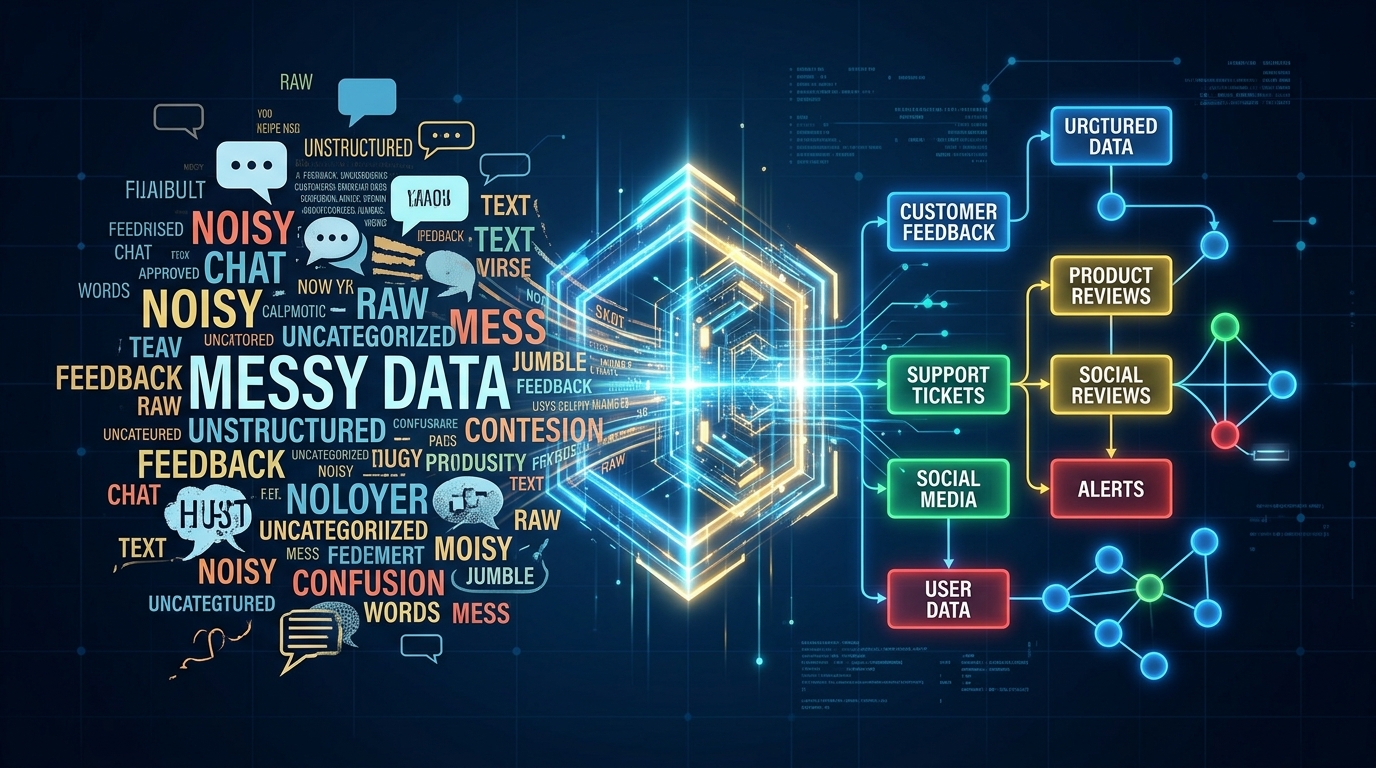
This principle applies directly to how we handle personal message logs. A standard chat gpt interface treats your three-year conversation as one giant, unstructured block of text. It loses the beginning of the context window by the time it reaches the end. It ignores metadata like timestamps, reply latency, and conversation initiators. This is why we engineered a dedicated Deep Context Segmentation engine inside Wrapped AI Chat Analysis Recap.
Understanding How Deep Context Changes the Output
When you use an app designed specifically for chat analysis, the process fundamentally changes. Wrapped AI Chat Analysis Recap does not just read your words; it parses the specific syntax of your export file. Whether you are pulling data from standard mobile apps, whatsapp web, or even specialized business clients after a whatsapp business download, the tool structures the data before the analysis even begins.
Deep Context Segmentation breaks your history down into meaningful vectors. It calculates who initiates conversations most frequently. It tracks how your communication mood shifts depending on the time of day or the day of the week. Instead of a bland two-sentence summary, you receive structured, entertaining, and highly detailed visual recaps.
My colleague Can Arslan explained the narrative benefits of this architecture in a recent post about our Story View feature. By treating the chat as segmented data points rather than a single prompt, we can reconstruct the history as an engaging timeline rather than a bulleted list.
Why Not Just Use DeepSeek or Gemini?
I frequently see users searching for variations of generic models—everything from char gbt and chat gp t to gbt char and wchat gpt. The common typos alone reveal how quickly people are trying to find a fast solution for their data processing needs.
Many attempt to feed massive files generated from unofficial clients like gb whatsapp (often requiring a separate gb whatsapp download just to access the raw local files) into a standard chatgtp or grok ai window. The results are almost always compromised for three specific reasons:
- Token Limits: Most general interfaces will quietly truncate your file if it exceeds their character limit. You might think you are analyzing three years of data, but the model only read the last four months.
- Hallucinations in the Noise: When faced with thousands of chaotic, informal messages—complete with slang, typos, and inside jokes—a generic chats gpt model often connects unrelated thoughts, hallucinating context that never existed.
- Privacy Concerns: Handing over an unencrypted, unredacted log of your private conversations to a public chatgpt endpoint means your personal data might be used to train future model weights. Wrapped AI Chat Analysis Recap prioritizes secure, localized parsing steps to extract metrics without broadcasting your raw personal secrets.
Naz Ertürk recently covered the practical differences in workflow when comparing general chat interfaces versus dedicated recap apps, noting that the friction of formatting data manually usually outweighs the convenience of using a free, general tool.
Who Actually Needs Dedicated Measurement Architecture?
Transparency is important, so let's be clear about who this specific technology serves best.
This approach is highly effective for:
Freelancers trying to extract actionable project histories and unresolved queries from long-running client threads. It is perfect for couples or close friends who want a visually appealing, entertaining summary of their relationship over the past year. It also serves small teams who communicate informally and need to map out when key decisions were actually made.
Who is this NOT for?
If you only need to summarize a single news article, or if you just want to draft a polite email to your landlord, do not use a dedicated chat analyzer. Stick to a standard chàt gpt or deepseek prompt. Furthermore, if you are uncomfortable exporting your own chat data from your device, local analysis workflows will naturally not be a fit for you.

Bypassing the Prompt Engineering Trap
I often hear a specific counterargument from other developers: "If you write a perfect, 800-word prompt detailing exact extraction parameters, an advanced ai chat endpoint can do this just fine."
That is technically true. But as someone building consumer technology at Dynapps LTD, I know that prompt engineering is a brittle, frustrating process for the average person. You should not need a degree in prompt formulation just to figure out what you and your best friend talked about last summer.
The integration of structured measurement architectures—the exact trend the 2026 data points to—eliminates the need for manual prompting. By building complex behavioral queries directly into the application's backend, users can simply provide the export file and immediately receive actionable, engaging insights.
As software continues to mature, the defining factor of a useful tool will not be the size of the underlying language model, but the precision of the architecture surrounding it. If you want to pull genuine value out of your digital history, you need a system designed specifically to read the human nuances hidden within the text.